

By Yan Chen in Chongqing
Across the globe, two major forces—how we power our societies and how people move—are undergoing fundamental shifts. Energy systems are under strain even as clean technologies surge. At the same time, migration is rising, carrying both challenges and opportunities. Here’s a look at these interlinked global developments shaping our world.
Energy Transition: Progress, Limits, and Risks
According to the World Economic Forum’s Energy Transition Index 2026, global investment in energy transition hit a record, around US$3.3 trillion in 2025. Renewables and nuclear now supplied nearly half of the world’s electricity, and nearly 800 gigawatts of renewable capacity were added. Yet these gains mask growing fragility. Conditions that enable future progress—such as financing, policy certainty, and infrastructure readiness—are weakening in many countries. Geopolitical tensions, trade restrictions, and export controls on critical minerals are compounding the challenge.
Electricity systems are under particular strain. Delays in grid connections, bottlenecks in permitting, and high costs mean many clean-energy projects remain stalled. Meanwhile, rising demand for power—driven by electrification, data centres, cooling, and industrial growth—is testing how resilient energy systems are, especially in emerging economies. Security risks—both physical and political—are becoming central concerns.
Migration at New Scales
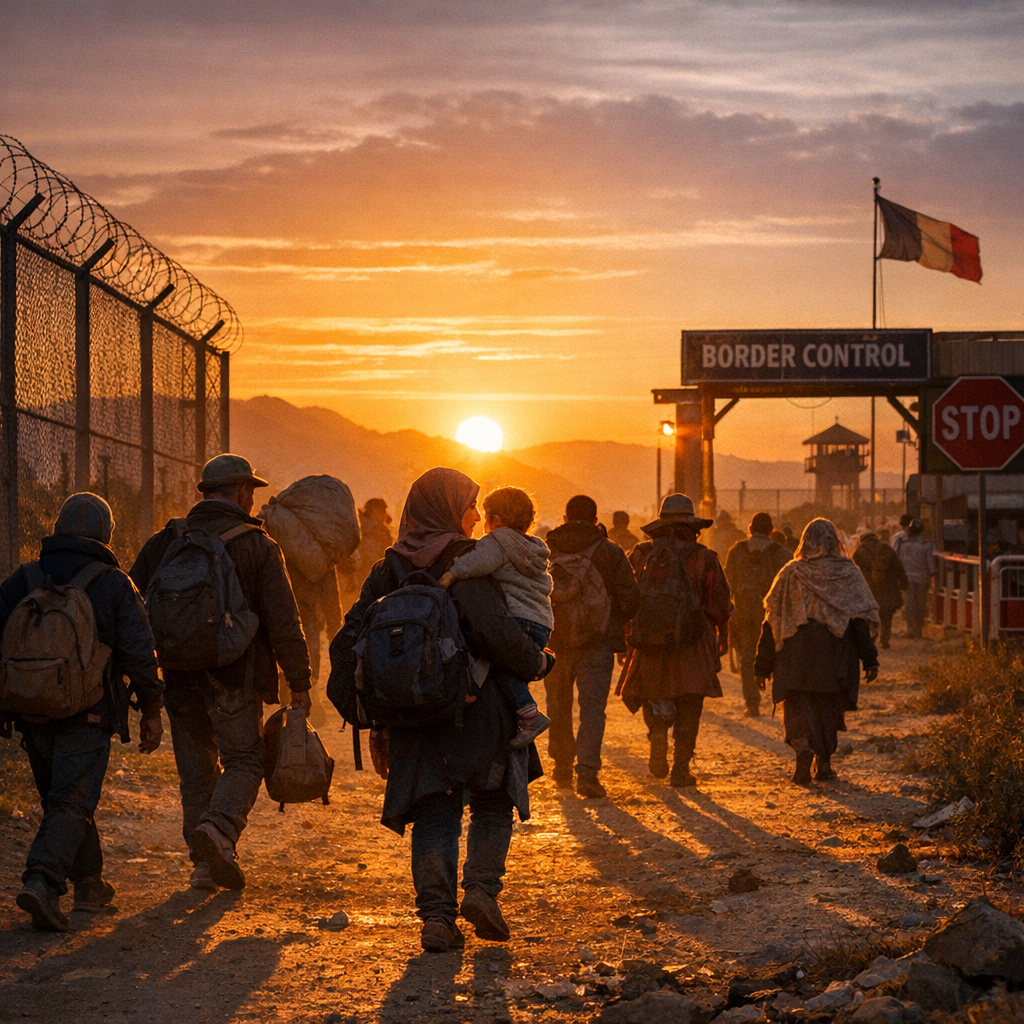
The World Migration Report 2026 estimates around 304 million international migrants by mid-2024, roughly 3.7% of the global population. While migration continues to grow, most movement still is internal—within countries. Migrant workers make up the majority of people crossing borders.
Displacement is also at record levels, fueled by conflict, environmental pressures, and lack of stable opportunities. More than 83 million people were internally displaced by the end of 2024. Meanwhile, many traditional migration pathways are tightening, pushing migration into more irregular or dangerous channels.
Intersections and Global Implications
Energy and migration trends are closely linked. Energy insecurity—caused by infrastructure failures, fuel price shocks, or climate disasters—often drives displacement. Migrant populations can also strain or benefit energy systems in host regions, depending on policy and investment. Regions with high energy costs or unreliable power may struggle to retain talent or attract migrants, while those investing in resilient and clean energy can become hubs of opportunity.
For China, including cities like Chongqing, these global shifts offer both challenge and opportunity. Energy infrastructure modernization, clean grid expansion, and stable policy support will be vital to sustain growth and electrification. Meanwhile, migration—both into cities and out—will test social services, labor markets, and integration policies. As global climate goals tighten and demographic pressures evolve, aligning global policies with local realities is essential.
What Comes Next?
- Strengthening the foundations: establishing policies and regulations that reduce uncertainty for investors and communities.
- Scaling infrastructure: speeding up grid expansion, permitting, and support systems to make clean energy projects viable.
- Designing humane, realistic migration pathways: balancing the needs of migrants, origin and destination countries, and ensuring rights protection.
- Building resilience: making systems—energy, transport, housing—able to withstand climatic, economic, and political shocks.
In a world more connected than ever, we can’t see energy and migration in isolation. Both are pathways through which our shared global future is being written. How well they are managed will matter greatly—to our climate, economies, and communities everywhere.