

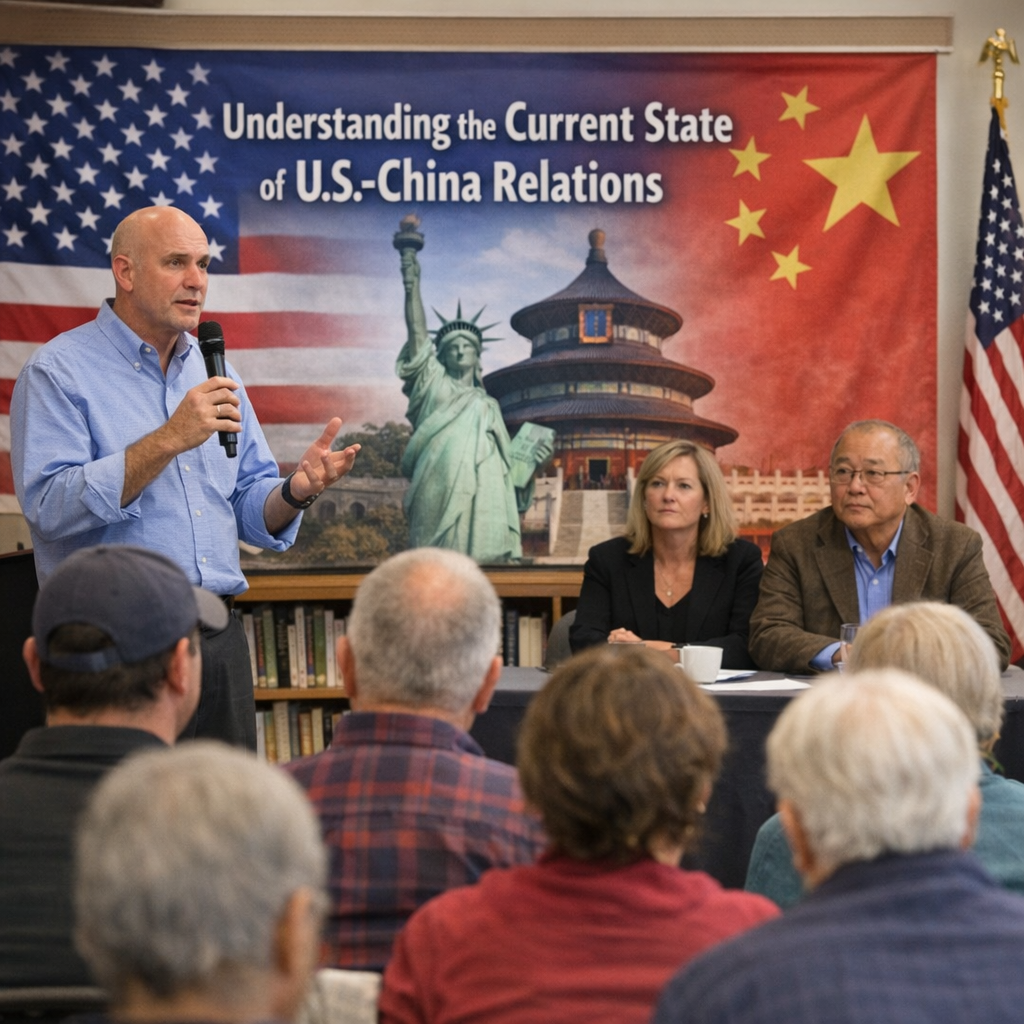
The relationship between the United States and China has been a focal point of international discourse, characterized by a complex interplay of competition and cooperation. Recent developments indicate a nuanced shift in this dynamic.
Shifting Public Perceptions
According to a recent Pew Research Center survey, American perceptions of China have become more favorable, continuing an upward trend for the third consecutive year. Since bottoming out in 2023—with only 14% viewing China favorably—positive opinions have nearly doubled. This shift marks a modest relaxation of the strong bipartisan distrust that began during former President Trump’s first term. Despite the change, most Americans still view China more as a “competitor” than a “partner.”
Economic Interactions
Economically, both nations have experienced significant developments. The U.S. economy has shown resilience, with real gross domestic product (GDP) increasing at an annual rate of 2.0% in the first quarter of 2026. This growth is attributed to factors such as increased consumer spending and business investment, particularly in artificial intelligence. However, challenges persist, including rising gasoline prices due to geopolitical tensions and concerns about inflation.
Diplomatic Engagements
On the diplomatic front, President Trump is set to visit China next month, building on efforts to improve bilateral relations following a trade truce agreed upon in November. This visit aims to address ongoing issues and explore avenues for collaboration, despite existing tensions, particularly around the ongoing conflict in Iran.
Implications for Chongqing
For residents of Chongqing, these developments hold particular significance. As a major economic hub, Chongqing’s industries are closely tied to international markets. Improved U.S.-China relations could lead to increased trade opportunities, benefiting local businesses and the broader economy. Conversely, ongoing tensions may pose challenges, necessitating adaptive strategies for local enterprises.
In conclusion, while the U.S.-China relationship continues to evolve, staying informed about these changes is crucial for understanding their potential impact on our community and beyond.